Home > Practice Areas > Federal Criminal Defense > Grand Jury Subpoena
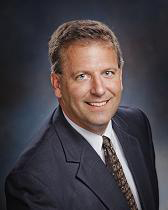
Madison federal criminal defense lawyer Robert T. Ruth represents individuals served with federal grand jury subpoenas. He has been a federal criminal defense lawyer since 1993 and has devoted his law firm to criminal defense since then. He is well-versed in all aspects of criminal defense in federal courts, from the initial stages of a case through direct appeal, petition for review or petition for certiorari and collateral attack. If you receive a federal grand jury subpoena, let his experience and commitment to his clients, go to work for you.
Federal Grand Jury Subpoena Lawyer - Madison - Milwaukee - Green Bay - WI
A Grand Jury subpoena is an order to appear before a Grand Jury to provide testimony or produce documents. A Grand Jury consists of from 16 to 23 citizens, who serve for a period of up to 18 months. A Grand Jury is non-adversarial, which means that only the government’s side of the story gets told. There is no cross examination, nor is there any other opportunity to present a defense. The Grand Jury is supposed to be a protection for the accused. The Grand Jury decides whether there is probable cause to charge a person. If there is not probable cause, no indictment is returned; if there is, the Grand Jury returns an indictment, and the prosecution goes forward. In reality, the Grand Jury is mostly a tool for the government to compel sworn testimony and documents from witnesses. Indeed, it is a very powerful tool that should not be taken lightly. Grand jury proceedings are secret, but the testimony may then be used in a federal criminal prosecution.
Failure to appear pursuant to a Grand Jury subpoena is a federal crime, punishable by prison. All Grand Jury witnesses are sworn, so false testimony in front of the Grand Jury is also a federal crime punishable by prison. Be advised that saying “I don’t know” or “I do not recall” is false testimony if in fact you do know or do recall the answer.
An experienced lawyer can provide an invaluable service to a Grand Jury witness. The first task is to find out if you are a target or not. Second, you need to explain your potential Grand Jury testimony to an experienced lawyer to determine if you have any exposure to criminal charges based on your potential testimony. Third, in the event that you do have potential criminal exposure, you need a skilled lawyer to assess ways of deflecting attention from you as a target. Fourth, if there is no way around testifying, a Grand Jury witness has a Fifth Amendment privilege not to incriminate himself or herself. This does not mean that you may refuse to answer every question, but it does mean that you may refuse to answer questions that may tend to incriminate you. Fifth, a skilled lawyer can often obtain immunity. Be advised, however, that immunity can be tricky. Immunity does not necessarily mean a promise not to prosecute or a promise not to use your statement against you under all circumstances. There are several different forms of immunity. A skilled lawyer may make a big difference in what sort of immunity you achieve, which in the end may be the difference between a federal criminal prosecution and no federal criminal prosecution.
Robert T. Ruth has successfully defended federal criminal cases throughout the federal system since 1993.